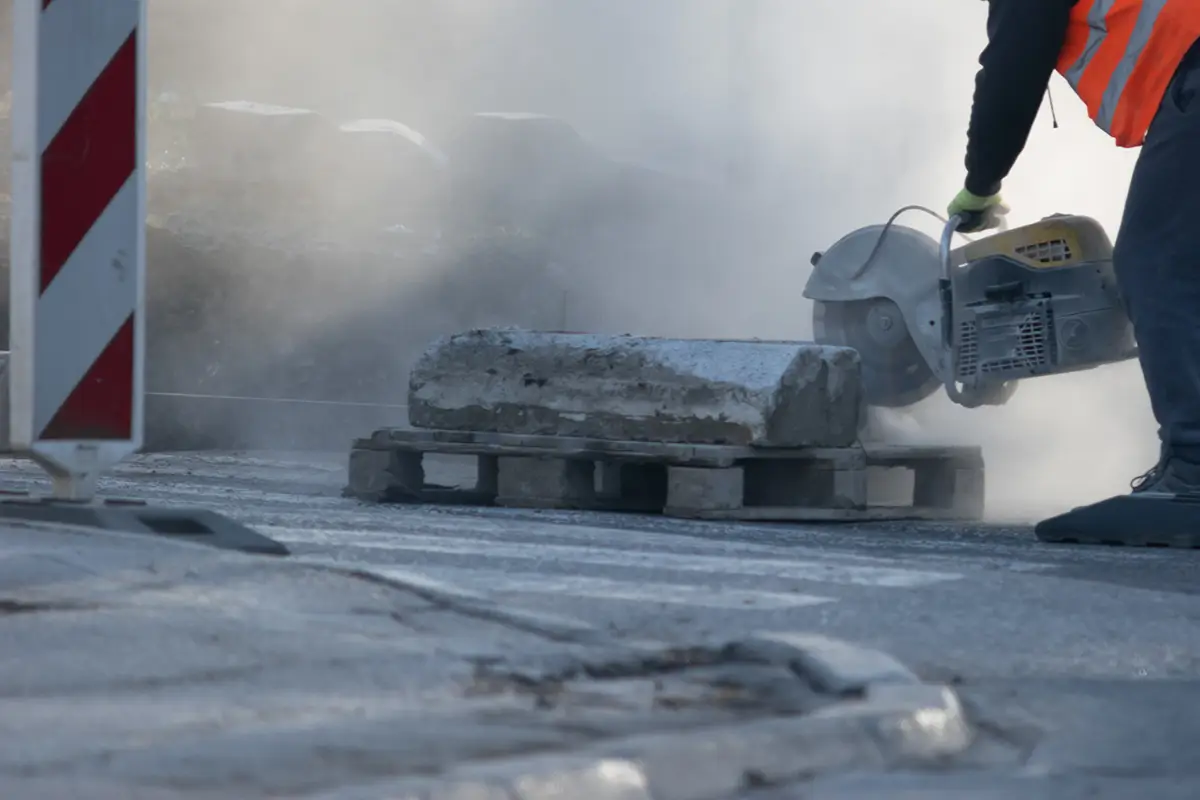
Dust diseases are lung illnesses caused by inhaling certain dusts, fumes, vapors, gases, and microorganisms. They are often occupational hazards particularly in industries like construction, mining and manufacturing. Common examples include silicosis, asbestosis and pneumoconiosis. Some types of lung diseases caused by the inhalation of dust are called by the general term ‘pneumoconiosis’. This simply means “dusty lung”.
There is no cure for dust related diseases and generally the damage caused to the lungs is permanent.
In the building and construction industry, exposure to dust can lead to various dust diseases, primarily impacting the lungs. These include silicosis, lung cancer, chronic obstructive pulmonary disease (COPD), asthma, and asbestosis. Silicosis, caused by inhaling crystalline silica dust, is a serious lung disease that can be disabling and fatal.
Pneumoconiosis: A general term for lung diseases caused by inhaling dust, including:

The symptoms of dust disease are similar to other respiratory illnesses, and includes:
A dust disease can appear years after exposure. It can cause thickening or scarring of lung tissue, and in some cases, lung cancer. Dust diseases are a group of lung disorders caused by inhaling dust particles, often in occupational settings. The symptoms of dust diseases are ongoing and significantly impair quality of life.
Dust diseases don’t just affect your lungs they can impact your overall wellbeing, including your mental health.
When lung function is reduced, everyday activities can become more difficult. Tasks that were once simple may take more effort. Sleep can be disrupted. Energy levels can drop. Over time, these physical changes can affect how you feel, think and cope day to day.
There is a strong connection between physical health and mental wellbeing. When your body is under strain, your mental health can be too.
Exposure to harmful dusts such as asbestos and silica can cause permanent, life-limiting conditions. While the physical effects may not appear straight away, the long-term impact can be significant, affecting quality of life, independence and future wellbeing.

Regular exposure to hazardous dust can lead to:
These impacts don’t happen in isolation. When breathing becomes harder, everything can feel harder, physically and mentally.
Protecting yourself from dust exposure today is one of the most important steps you can take for your long-term health, both physical and mental.
Using the right protective equipment, ensuring it’s correctly fitted and following safety procedures can help reduce exposure on site. Protecting your lungs today cn help protect your physical and mental health in the future.



Website designed by c4 Digital Agency